 July 13, 2026 01:38
How to Choose the Right Access Control System
Security measures for contemporary buildings and properties have evolved significantly beyond traditional locks and keys. A state-of-the-art access control system is now essential for guaranteeing safety, effectiveness, and comfort in both residential and commercial spaces. The right system not only manages who enters and exits but also integrates seamlessly with other security and automation systems, creating a comprehensive protection framework.
For businesses and property owners in Singapore, choosing the right access control system involves careful consideration of current needs, budget constraints, and future expansion plans. This guide walks through the essential steps to help you make an informed decision that balances security, convenience, and long-term value.
Key Takeaways:
-
Assess your property's specific security requirements before exploring any technology options.
-
Understand the different system types available, from key cards to biometrics and cloud-based solutions.
-
Consider total cost of ownership, not just the initial purchase price.
-
Ensure your chosen system is scalable to accommodate future growth and integration needs.
-
Partner with a reliable provider who offers ongoing support and maintenance.
Step 1: Conduct a Thorough Security Needs Assessment
The first and most critical step in selecting an appropriate system is establishing the level of security your property requires. Not every building needs the same level of control or monitoring, and understanding your specific vulnerabilities is essential.
For instance, a high-traffic corporate office in Singapore's central business district faces different security challenges compared to a small residential block. A thorough assessment helps identify where your priorities should lie.
Key questions to consider:
-
How many access and egress points does your property have?
-
Are there restricted areas that require heightened protection?
-
Do you need round-the-clock monitoring and reporting capabilities?
-
Is integration with CCTV or alarm systems necessary for your security strategy?
-
What are your specific security door access control systems requirements?
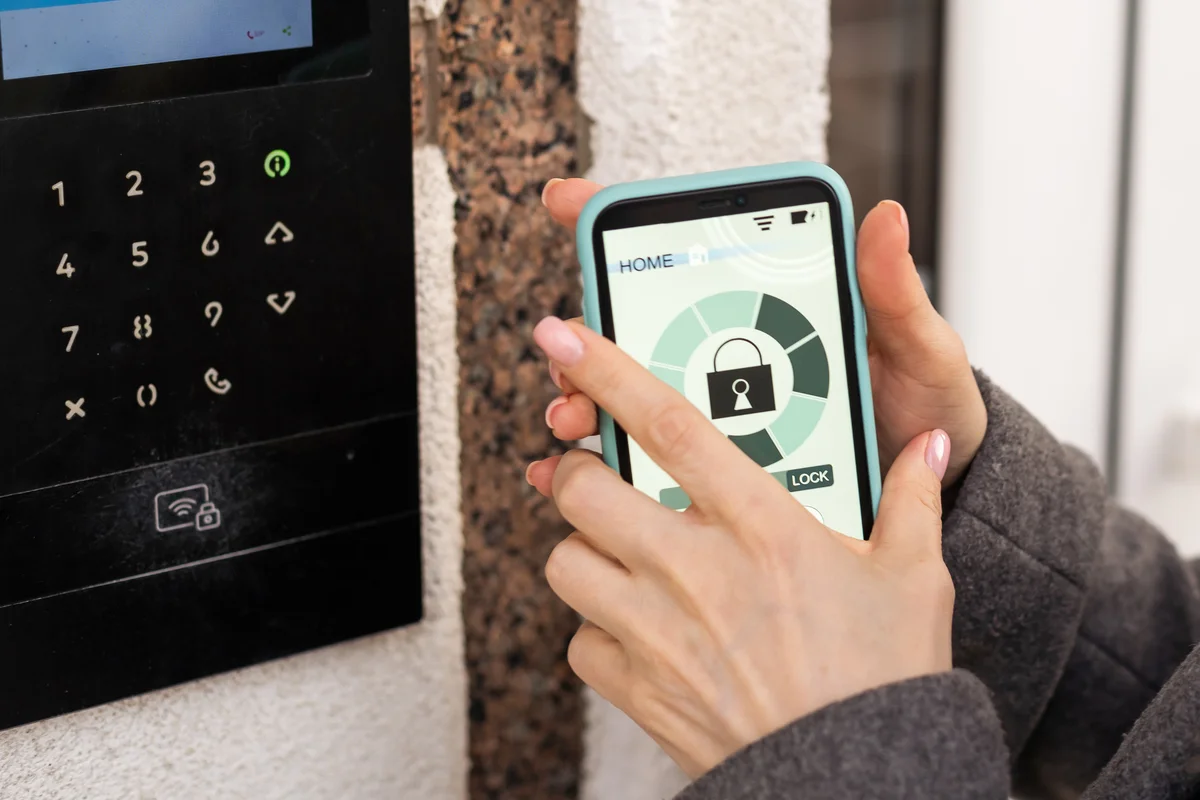
By answering these questions, you can determine whether a basic setup or an advanced smart access control system best suits your needs. This assessment forms the foundation for all subsequent decisions and helps avoid costly mistakes.
Step 2: Understanding the Different System Types
Once you understand your security requirements, the next step is exploring the various types of commercial security door systems available. Each type offers distinct advantages and limitations, so matching the technology to your specific situation is crucial.
Key card or fob systems remain popular for their simplicity and ease of use. Users gain entry using assigned cards or fobs, making access straightforward to manage and control. These systems work well for most office environments and residential complexes.
PIN or password systems offer an economical solution but require regular updates since passwords can be shared or compromised. They are suitable for low-security areas where convenience outweighs strict access control requirements.
Biometric systems provide enhanced security by employing facial recognition, fingerprints, or iris scans as identification methods. These are ideal for high-security zones such as server rooms, laboratories, or executive floors where credential sharing must be prevented.
Mobile access systems allow users to open doors via smartphones using Bluetooth or NFC technology, offering convenience without physical tokens. Cloud-based systems provide remote access and monitoring through secure online portals, which is particularly beneficial for businesses with multiple locations or properties.
When selecting between different types of building access control installations, consider that hybrid approaches often work best. Combining card readers for general areas with biometric verification for sensitive zones creates a balanced security posture that addresses varying risk levels.
Step 3: Evaluating Budget and Cost Efficiency
Choosing the latest technology can be tempting, but ensuring your decision aligns with your budget and maintenance expectations is equally important. A comprehensive cost analysis should include several factors beyond the initial purchase price.
Installation costs vary significantly between systems. Some professional security door solutions require expert installation and wiring, while others are completely wireless and can be set up without specialist assistance. Understanding these requirements upfront helps avoid unexpected expenses.
Subscription fees are typically associated with cloud-based systems, covering ongoing software updates, storage, and support. These recurring costs should be factored into your long-term budget planning.
Maintenance expenses may also arise, particularly with biometric or sensor-based systems that require regular calibration or software updates. Additionally, energy consumption should be considered, as large-scale setups with multiple doors may draw more power than initially anticipated.
By creating a realistic budget that accounts for purchase, installation, and ongoing operational costs, you avoid the common pitfall of underestimating total ownership expenses. This approach ensures your security investment remains sustainable over time.
Step 4: Ensuring Scalability and Integration Capabilities
A well-designed smart access control system should be scalable, meaning it can expand or adapt as your organisation grows. This forward-thinking approach prevents the need for costly replacements down the line.
Look for systems that allow adding new users or access levels without complications. The ability to manage permissions efficiently becomes increasingly important as your workforce or tenant base expands. Similarly, seamless integration with security cameras, visitor management systems, and building management software creates a unified security ecosystem.
Remote management capabilities are also essential in modern access control solutions. Administrators should be able to grant or revoke access from anywhere, respond to alerts, and generate reports without being physically present on site.
For SMEs, commercial properties, and residential complexes that anticipate growth, flexibility is crucial. The ability to adapt your system without extensive reconfiguration saves both time and money while maintaining consistent security standards.
Step 5: Creating a Pre-Purchase Checklist
Before making your final decision, working through a comprehensive checklist helps ensure no critical factors have been overlooked. This structured approach reduces the risk of post-installation regrets.
For businesses:
-
Define which areas are most critical to restrict in terms of access.
-
Ensure the chosen system works together with existing IT or HR systems.
-
Assess compliance concerning data privacy, especially if biometric data is involved.
-
Confirm that remote monitoring and management are feasible.
-
Verify that future office expansions will not affect the usability of your system.
For residential properties:
-
Determine which areas are shared spaces and which require private access controls.
-
Select a system that provides easy user access updates for tenants.
-
Choose mobile or card-based entry for convenience.
-
Verify that emergency override options are available for safety situations.
-
Analyse maintenance agreements to ensure long-term support is guaranteed.
A simple but thorough checklist like this is invaluable in ensuring no critical point has been missed before implementation begins.
Step 6: Partnering with the Right Provider
Finding a trustworthy vendor or system provider is nearly as important as selecting the technology itself. A reliable partner ensures your investment delivers the expected security benefits and continues to perform optimally over time.
Look for providers who offer property-specific custom solutions tailored to your exact requirements. Generic, one-size-fits-all approaches often fail to address unique challenges present in different building types or operational contexts.
Service agreements should be clear and comprehensive, covering installation, maintenance, software updates, and emergency support. Understanding what is included before signing helps avoid disputes later.
On-the-job training for administrators and staff is another consideration. Users who understand how the system works are more likely to follow security protocols correctly, maximising the effectiveness of your investment.
Local support capabilities are essential for timely troubleshooting and system expansion. When issues arise, having responsive assistance minimises downtime and maintains security continuity.
A reliable provider ensures the high efficiency and security of the system, not only in the short term but also throughout its entire lifecycle. This partnership approach transforms your access control system from a simple purchase into a long-term security solution.
Conclusion
Choosing the right security door access control systems requires careful assessment of your specific needs, realistic budget planning, and thoughtful consideration of future scalability. Whether you are planning a smart access control system installation in a new office tower or upgrading building access in a residential property, the decision-making process becomes straightforward when you follow these structured steps.
Balancing security with convenience is the ultimate goal. By understanding the available technologies, evaluating total costs, and partnering with a reliable provider, you create a security framework that protects your property while supporting daily operations efficiently.
Frequently Asked Questions
1. What factors should I consider when assessing my property's security needs?
Start by identifying the number of access points, any restricted areas requiring higher protection, and whether you need round-the-clock monitoring. Consider integration with existing security systems like CCTV and whether your access management needs to accommodate remote oversight.
2. Which type of access control system is most secure?
Biometric systems offer the highest level of security because they verify the actual individual rather than a token or code. However, the most secure approach often combines multiple authentication methods, such as a card paired with a PIN or fingerprint, for critical areas.
3. How do I budget for an access control system effectively?
Include installation costs, potential subscription fees, regular maintenance expenses, and energy consumption in your calculations. Remember that the cheapest option upfront may not be the most cost-effective over the system's lifetime.
4. Can I upgrade or expand my access control system later?
Yes, if you choose a scalable system from the start. Look for systems that support adding new users, access points, or integration with other building management tools without requiring a complete overhaul.
5. Why is working with a professional provider important?
A reliable provider offers customised solutions, clear service agreements, user training, and local support. They ensure your system is installed correctly, remains compliant with local regulations, and continues to perform reliably over time.
Posted July 13, 2026 01:38
 Singapore
 Reply
Reply RSS Feed
Recent Blog Entries
Tags
- Bedok
- CCR
- Chinese
- Clementi
- Coast
- Comnet Systems
- Continuum
- Dunman
- ELV
- ENT
- ENT specialist
- East Ocean
- East Ocean Crystals
- Evermarch Logistics
- Ginza Dental Surgery
- Hyde
- Krav Maga Singapore
- Malaysia
- Malaysia cargo
- Novena ENT
- OCR
- OP Academy
- Pasir
- Philippines
- Potong
- Power
- Profhilo structura
- RCR
- Siiri Geomancy
- Singapore
- Singapore Moldavite wholesaler
- Singapore Pain Solutions
- Singhaiyi
- Specialist
- Supplies
- Taekwondo
- Taekwondo class Singapore
- Taekwondo classes
- Taekwondo for kids Singapore
- Toyota
- Trucking
- UMW Equipment
- UMW Singapore
- Ultherapy skin tightening Sing
- Ultherapy treatment Singapore
- Uninterruptible
- West
- Yellow laser Singapore
- access control system
- around
- at
- at Clementi
- best aesthetic clinic Singapor
- cabling
- cargo
- cargo Malaysia
- cargo delivery service
- children ENT
- chiropractic
- chiropractic treatment
- chiropractic treatment for bac
- class
- classes
- clinic
- companies
- company
- condo
- condominium
- container trucking company in
- container trucking services in
- cross border trucking
- cross border trucking companie
- cross country trucking
- crystal
- crystal supplier
- crystals
- crystals supplier
- crystals wholesaler
- crystals wholsaler in Singapor
- delivery
- delivery to Malaysia
- dentist
- dentist around Clementi
- dentist at Clementi
- dentist at West Coast
- dentist near Clementi
- dry
- ear
- ear specialist Singapore
- electric
- electric forklift
- feng shui Singapore
- feng shui services
- feng shui services in Singapor
- for
- for back pain
- forklift
- forklift Singapore
- forklift training
- from
- grand
- head and neck
- head and neck specialist
- hearing
- hearing loss Singapore
- house feng shui consultation
- in
- in Singapore
- kids
- learn krav maga Singapore
- loss
- machines
- meteorite wholesaler Singapore
- moldavite
- moldavite wholesaler Singapore
- near
- near Clementi
- neck
- needling
- network
- network cabling services
- nose
- nose specialist
- nose specialist Singapore
- office feng shui Singapore
- pain
- pallet
- parcel
- parcel to
- parts
- powered
- powered pallet truck
- racking
- reach
- sale
- scrubbing
- secondary
- security door access control s
- services
- sinus
- spare
- sports massage
- sports massage Singapore
- stacker
- storage
- storage racking
- structured
- structured cabling
- structured cabling companies
- supplier
- supply
- the
- the Hyde
- throat
- throat specialist Singapore
- to
- to Malaysia
- training
- transport
- treatment
- treatment for spinal decompres
- truck
- tuition
- uninterruptible power
- uninterruptible power supplies
- uninterruptible power supply
- uninterruptible power supply S
- uninterruptible power supply c
- uninterruptible power supply i
- used
- wholesale
- wholesaler
Archive
- August 2026
- July 2026
- June 2026
- May 2026
- April 2026
- March 2026
- February 2026
- August 2025
- July 2025
- June 2025
- May 2025
- April 2025
- March 2025
- February 2025
- January 2025
- December 2024
- November 2024
- October 2024
- September 2024
- August 2024
- July 2024
- June 2024
- May 2024
- April 2024
- March 2024
- February 2024
- January 2024
- December 2023
- November 2023
- October 2023
- September 2023
- August 2023
- July 2023
- June 2023
- May 2023
- April 2023
- March 2023
- February 2023
- January 2023
- December 2022
- November 2022
- October 2022
- September 2022
- August 2022
- July 2022
- June 2022
- May 2022
- April 2022
- March 2022
- February 2022
- January 2022
- December 2021
- November 2021
- October 2021
- September 2021